How to Choose the Best Bicycle Locks and Chains for Security?
Choosing the best bicycle locks and chains is crucial for every cyclist. According to security expert Mark Turner, "Investing in quality locks is investing in peace of mind." This statement highlights the importance of understanding the features of Bicycle Locks and Chains. Without proper knowledge, selecting the right one can be overwhelming.
The market offers a wide variety of options. There are U-locks, chain locks, and folding locks, each with its advantages and drawbacks. The strength of a lock often correlates with its weight, which can be a trade-off for cyclists. Many riders choose convenience over security, which can lead to regrettable theft experiences. Your choice should reflect both your lifestyle and security needs.
Understanding the specific vulnerabilities of your bike and its surroundings is vital. Factors like the parking location and the time of day can influence your selection. Ultimately, investing time in research can ensure your bicycle stays secure, offering you peace of mind every time you ride.
Types of Bicycle Locks: Understanding the Options Available
When choosing a bicycle lock, understanding the types available is crucial for security. There are several common categories of bicycle locks.
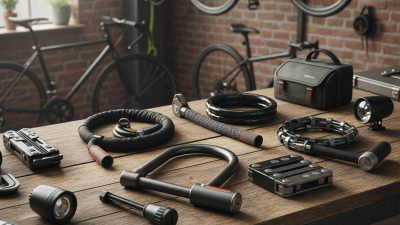
U-locks are popular and provide excellent protection. Their solid construction makes them difficult to cut. However, their bulkiness can be a downside for some riders. Many people struggle with carrying them on longer rides because of their weight.
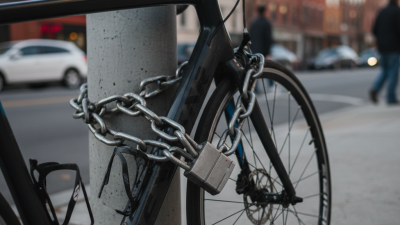
Chain locks offer flexibility and can secure various parts of the bike. They come in different sizes and lengths, allowing you to lock your frame and wheels. However, not all chain locks are created equal. Some are heavy but not sturdy enough against theft. Take time to analyze the thickness of the chain links and the material used for the lock.
Cable locks are the lightest option and are suited for quick stops. They can be easily stored in a bag. However, their thin design makes them easily cuttable by thieves. A combination of different locks may provide better security.
Mixing a U-lock with a cable lock can enhance your bike's defense against theft. Always think critically about the type of lock you choose and ensure it integrates well with your usage habits.
Evaluating Security Ratings: How to Assess Lock Strength
When evaluating security ratings for bicycle locks, understanding the lock's strength is vital. Locks are often rated based on their resistance to various attacks. A common scale is the Sold Secure system, which categorizes locks from bronze to gold. Gold-rated locks generally offer the highest level of security, resisting more sophisticated theft attempts. Yet, even a top-rated lock can fail if the installation is improper, making user knowledge equally essential.
Look for locks made from hardened steel. This material is known for its durability and resistance to cutting tools. Check for features like thick shackles. Thicker shackles generally provide better security against cutting attacks. Although no lock is completely theft-proof, opting for higher-rated options will significantly reduce the risk. Additionally, consider the locking mechanism. Disc detainer locks, for instance, offer better resistance to picking compared to standard pin tumbler locks.
However, it’s also important to reflect on your specific needs. A high-security lock may be overkill for a short stop in a low-theft area. Understanding your environment can help you choose appropriately. Think about the inconvenience of carrying a heavy lock versus the need for security. Balancing these factors can lead to more informed choices.
Material Matters: Choosing the Right Lock Composition
When selecting a bicycle lock, the material plays a crucial role in its effectiveness. Locks made from hardened steel are often recommended for their durability. According to the Bike Theft Report 2022, bicycles secured with high-quality locks made from this material experience a 70% lower theft rate. This data highlights the importance of selecting robust materials for your lock.
Moreover, the composition of the lock is equally essential. U-locks generally outperform chains in terms of material strength. However, chains have their advantages, such as flexibility and ease of securing multiple bicycles. A comprehensive study from the Secure Bike Initiative indicates that chains made from alloy steel can still provide significant protection, depending on their thickness. For instance, a chain with a diameter of 10mm or more significantly reduces the risk of theft.
Lock design and construction impact their security as well. Locks featuring double-locking mechanisms often provide added security. However, users might find difficulty in handling them due to their weight or complexity. This trade-off between usability and security is a crucial consideration when choosing a lock. Remember, investing in a well-constructed lock can mean the difference between keeping your bike safe or facing loss.
Comparison of Bicycle Lock Material Strength
Size and Portability: Factors to Consider for Daily Use
When choosing a bicycle lock, size and portability are crucial, especially for daily use. A lock needs to be both secure and convenient. A study by the National Bicycle Dealers Association reports that nearly 1.5 million bicycles are stolen each year in the U.S. Opting for a lightweight option can increase the likelihood of carrying it consistently. A bulky lock might be secure, but it could deter you from bringing it along on rides.
Consider a compact design that easily fits in your bag or is lightweight enough to attach to your bike frame. Many urban cyclists find U-locks and folding locks appealing for their balance of portability and strength. However, users must remember that a smaller lock can sometimes offer less protection. Checking the security ratings from trusted sources can guide your decision.
Tip: Always look for locks with at least a 10/10 security rating. This rating often indicates resilience against common theft tactics. Another tip: practice regularly attaching and using your lock. This habit ensures you will not struggle during critical moments, particularly when you're in a hurry or outside in less secure areas. Balancing security and practicality is essential, and reflecting on your needs will foster smarter choices.
Tips for Effective Locking Techniques to Deter Theft
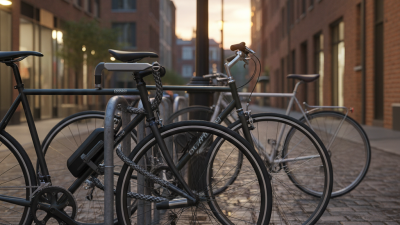
Choosing the right locking techniques is crucial for deterring bicycle theft. The effectiveness of any lock depends on how it is used. Start by locking your bike in a well-lit area with heavy foot traffic. Thieves avoid places where they can be easily seen. Even the best lock is useless if it is in a dark corner.
When locking your bike, secure both the frame and the wheels. Use two different types of locks if possible. Mixing a U-lock with a cable lock can be an effective strategy. U-locks resist cutting tools better than cables. However, a determined thief may still find a way. Take time to ensure both locks are tight and secure.
Tethering your bike to an immovable object is essential. Avoid locking your bike to weak or removable items. Parking near other bicycles can also deter theft. Thieves fear being caught in a crowd. Regularly check the condition of your locks. Rusty or damaged locks can be easily compromised. Adopting good locking techniques requires habit and vigilance. Reflect on your locking practices to improve security further.