What Is the Best Lock for a Bike Helmet?
Choosing the best Lock For Bike Helmet requires more than comparing prices, materials, and online star ratings. A helmet lock protects an expensive accessory during short stops, but it does not replace a certified bicycle helmet or a properly secured bicycle. That distinction matters. The U.S. Consumer Product Safety Commission recommends helmets meeting recognized safety standards, while helmet testing organizations, including Virginia Tech, evaluate impact performance rather than theft resistance. These are separate decisions.
The theft problem is real. The FBI’s Crime Data Explorer shows that property crime reporting remains uneven across locations, making bicycle-specific comparisons difficult. Project 529, a bicycle registration and recovery organization, has repeatedly reported that theft records are incomplete because many incidents go unreported. That uncertainty should influence your choice. A lock that looks strong may still fail against a determined thief.
This guide examines practical options, including cable locks, compact combination locks, and small hardened-steel shackles. It considers weight, attachment points, weather exposure, key security, and everyday handling. Picture a helmet hanging beside a café table in light rain. Can the lock secure it without touching the visor? Can you open it quickly with cold fingers? Small details matter.
No lock is perfect. I have seen products advertised as “cut-resistant” without clear testing evidence. That wording deserves caution. Look for transparent specifications, independent testing, corrosion-resistant construction, and a reputable warranty. The best Lock For Bike Helmet is usually the one you will carry, use correctly, and combine with a stronger bicycle lock in visible, busy places. Safety remains the priority. Convenience is only part of security.
Types of Bike Helmet Locks and How They Work
A bike helmet lock is usually a small security device designed for short stops. It keeps the helmet with the bicycle instead of carrying it into a shop. The best choice depends on the helmet, parking location, and expected risk. A helmet is valuable, but its vents and straps can create weak points. No compact lock is completely theft-proof.
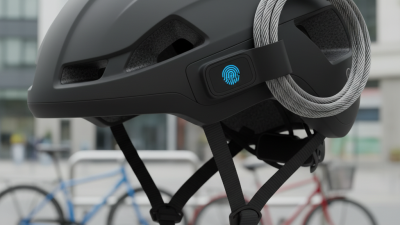
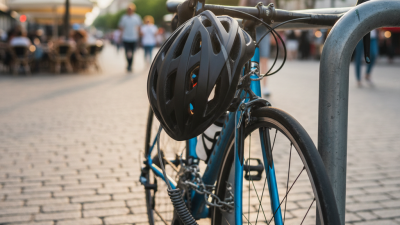
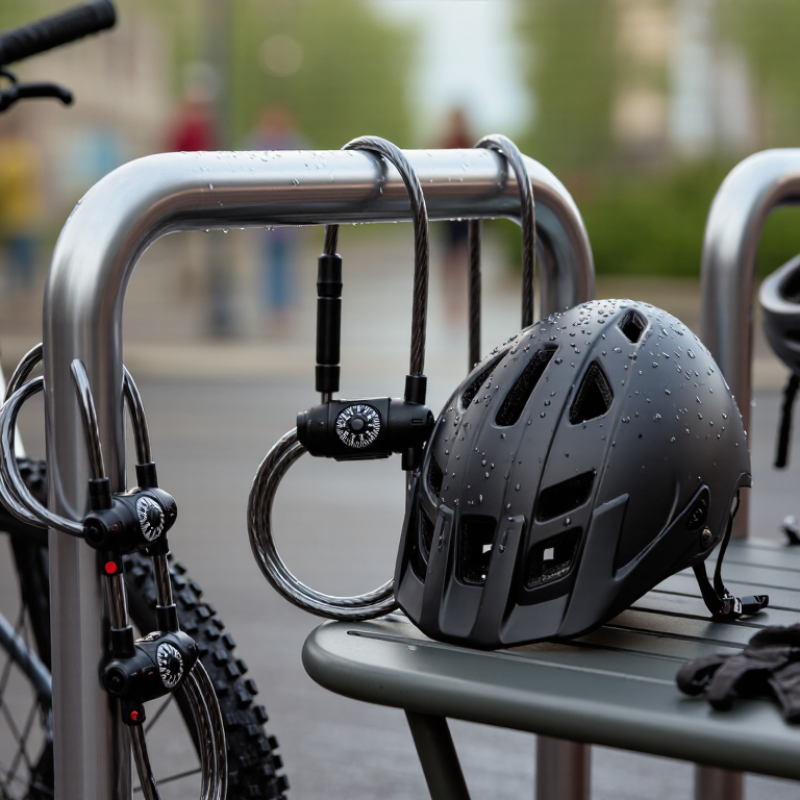
A flexible cable lock is the most common type. Its thin cable passes through the helmet vents and around the bicycle frame. A key or combination cylinder holds the loop closed. Cable locks are light and easy to pack, but cutters can defeat them quickly. They suit busy areas where you stay nearby. A retractable cable works similarly and stores neatly inside a small housing. However, its shorter reach may not fit around thick frames.
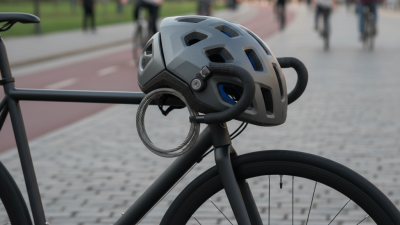
A dedicated helmet lock may use a coated steel cable, a sliding clasp, or a locking strap. Some designs attach to the bicycle’s saddle rails or frame. They hold the helmet by its shell, not only by the chin strap. That matters because straps can be cut or stretched. A compact U-shaped lock offers stronger resistance, but it may not pass through helmet vents. Check the opening before buying. I used to assume heavier meant better; in daily riding, an awkward lock often stays at home. Test the mechanism with cold or wet fingers. Look for smooth movement, secure closure, and enough length to connect the helmet and frame together.
Key Factors for Choosing a Bike Helmet Lock
What Is the Best Lock for a Bike Helmet?
Key Factors for Choosing a Bike Helmet Lock
The best helmet lock depends on where and how you park. A lightweight cable lock works well for short stops near busy places. It can pass through the helmet vents and frame easily. However, thin cables mainly deter casual theft, not determined attackers. I once chose convenience over strength, and the cable showed wear after one wet season.
Check the lock’s construction, weight, and attachment method. A compact shackle offers stronger resistance but may not fit through every helmet vent. A flexible cable fits more helmets, yet it can be cut more easily. Look for weather-resistant coatings and a mechanism that turns smoothly with cold or dusty hands. Combination locks remove the need for keys, although forgotten codes create an avoidable problem. Keep it simple.
Your helmet should remain secure without being squeezed or scratched. Never force a rigid lock through delicate vents. The pressure may weaken the shell or damage its structure. Attach the lock around the helmet and a fixed bicycle part, such as the frame, when practical. Check that the locking point cannot slide through the helmet opening. Test the setup at home before riding. It may feel awkward at first. A lock that adds excessive weight often stays behind, which defeats its purpose. Regularly inspect cables, hinges, and corrosion, then replace any lock that no longer closes reliably.
What Is the Best Lock for a Bike Helmet?
Key factors include security, portability, ease of use, and resistance to cutting or tampering.
This practical comparison uses a 1–5 rating scale based on the typical design characteristics of common helmet-locking options. A compact steel cable is lightweight and convenient, while a hardened chain or U-lock generally provides stronger resistance against cutting but adds weight and reduces portability.
Comparing Security, Portability, and Ease of Use
What Is the Best Lock for a Bike Helmet?
Comparing Security, Portability, and Ease of Use
The best helmet lock balances security, portability, and quick handling. A compact steel cable works well for short stops. It can pass through the helmet vents and connect to the bicycle frame. However, thin cables mainly deter opportunistic theft. They are not ideal for unattended helmets in busy areas. A hardened shackle offers stronger resistance, but it adds weight and may not fit through small helmet openings.
In practical use, combination locks are convenient because they avoid misplaced keys. They also work well when your hands are cold or wet. Choose large, readable dials and a mechanism that turns smoothly. Keyed locks can provide a sturdier design, but carrying a key creates another task. I initially preferred maximum strength, yet a lock left at home provides no protection. Portability matters. A lightweight lock should fit inside a cycling bag without pressing against lenses or electronics.
Tips: Test the lock with your helmet before riding. Check whether the cable reaches the frame comfortably. Lock the helmet through a structural vent, not a removable strap. Keep the combination private and avoid predictable numbers. Inspect the cable and locking body regularly for rust, loose fittings, or stiffness. Security ratings can help, but they do not replace sensible parking. Even a strong lock cannot protect a helmet placed in an isolated location. My own choice would change with the parking time, weather, and crowd level. That is the part I still reconsider.
What Is the Best Lock for a Bike Helmet? - Comparing Security, Portability, and Ease of Use
| Lock Type |
Typical Weight |
Security Level |
Portability |
Ease of Use |
Helmet Compatibility |
Best Use Case |
| Compact U-Lock |
0.9–1.5 kg |
High |
Good |
Good |
Usually easy to carry in a bag; limited room for securing multiple items. |
Urban commuting and short stops where strong theft resistance is important. |
| Full-Size U-Lock |
1.2–2.0 kg |
Very high |
Fair |
Good |
Can attach to a frame mount; the larger size adds weight and may be awkward with a helmet. |
Higher-risk areas and longer parking periods near secure, fixed objects. |
| Folding Lock |
0.8–1.5 kg |
Medium to high |
Very good |
Good |
Folds into a compact shape and normally fits a frame case or backpack. |
Riders who need more locking length without carrying a long chain. |
| Heavy-Duty Chain Lock |
1.5–3.5 kg |
High |
Poor to fair |
Fair |
Flexible and long, but its weight is noticeable and it may be uncomfortable to carry on a helmet. |
Securing a bicycle, frame, wheels, and helmet to large or irregular structures. |
| Lightweight Cable Lock |
0.2–0.6 kg |
Low |
Excellent |
Very easy |
Light and flexible enough to pass through helmet vents and small frame openings. |
Low-risk areas, brief stops, or as a secondary lock for accessories. |
| Helmet-Specific Strap or Mini Lock |
0.1–0.4 kg |
Low |
Excellent |
Very easy |
Designed for a helmet or small accessory; generally unsuitable for securing a bicycle. |
Short unattended periods when the helmet is the main item requiring protection. |
| Best Overall Balance |
0.8–1.5 kg |
Medium to high |
Very good |
Good |
A compact folding lock offers useful length while remaining practical to carry with a helmet. |
Everyday riders who want one reasonably portable lock for the bicycle and helmet. |
Ratings and weight ranges are typical estimates for commonly available adult bicycle locks. Actual performance depends on the lock’s material, thickness, locking mechanism, installation method, and the security of the object being used.
Maintaining and Replacing a Helmet Lock
A helmet lock works best when it remains clean, flexible, and easy to operate. Check the cable, housing, clasp, and mounting point before every longer ride. Look for broken strands, sharp bends, rust, or a loose connection. A small defect can worsen quickly in rain and road dust. Wipe the lock with a dry cloth after wet rides. Use only a light, suitable lubricant if the mechanism feels stiff. Too much oil can trap grit inside.
Test the lock at home, not beside busy traffic. Set the combination carefully, then pull the cable with moderate force. It should release smoothly and close without hesitation. Never force a jammed dial or twist the cable around the helmet shell. That pressure may damage the helmet, especially near vents or thin edges. I once treated a slow dial as a minor issue. It later wasted several minutes during a cold stop. That was avoidable.
Replace the lock when its cable frays, its clasp slips, or corrosion returns after cleaning. Replacement is also sensible after a strong impact or an attempted break-in. Choose a compatible lock with enough length for the helmet and bicycle frame. Do not attach it through a removable buckle alone. A thief may separate the buckle without touching the lock. Remember that a helmet lock only discourages quick theft. Store the helmet indoors when possible, and replace the helmet itself after a crash, even if the lock still looks perfect.